
Inclusive Innovation
At MSF Sweden Innovation Unit, we work to foster a culture of innovation within Médecins Sans Frontières where participatory approaches and processes enable patients and communities to play an active and meaningful role in co-creating patient-centred health care services, provided or supported by MSF.
What is inclusive innovation?
There are no one-size-fits-all solutions to important issues in complex contexts that MSF staff faces. Therefore, as we support colleagues across MSF, we use a process that recognise and value unique perspectives, experiences and needs of different individuals and create an environment where people are at the centre of innovation and problem solving, to co-create the solutions. This process supports MSF staff to deeply understand the problem, and develop, test and implement novel solutions with the goal of improving access to quality healthcare. In addition to developing new ideas that generates positive and lasting change, it also aims to address systematic issues of exclusion by putting equality, diversity and inclusion at the centre of innovation opportunities.
Due to high patient volumes and competing clinical and administrative priorities in MSF projects, initiatives that explore a participatory approach or opportunities for improvement across the whole clinical pathway are not always prioritised, but is a priority to Inclusive Innovation.
How does the MSF SIU work in this domain?
In 2025, the MSF Sweden Innovation Unit formalised our long-standing relationship with the MSF Manson Unit, part of the MSF UK, through the Inclusive Innovation partnership. Together the partnership runs a portfolio of exploratory and implementation projects through a support system that accommodate the following delivery models:
Locally led – where the local MSF frontline workers formulate the approach, and headquarters-based teams or equivalent provide, for example, resources and connections, while working in similar ways to ensure mutual learning and support.
Locally owned – where the approach comes from a headquarters-based team or equivalent, but there is a determined effort to transfer the ownership of the work to the local MSF frontline workers so, over time, it can transform the programme into one that is locally led.
Locally delivered – where the approach comes from a headquarters-based team or equivalent, and the local MSF frontline workers implement it without having been involved in setting the priorities or the approach, and where there is no transfer of ownership.
Our innovation methodology used is rooted in participatory approaches where we aim to strike a balance between methodology and the realities we face by operationalizing participation. Collaboration between different stakeholders is essential for identifying issues in existing services and designing, testing and implementing efficient and contextually appropriate solutions together with our colleagues, patients and the local communities.
Project spotlight – Menstrual Health Management
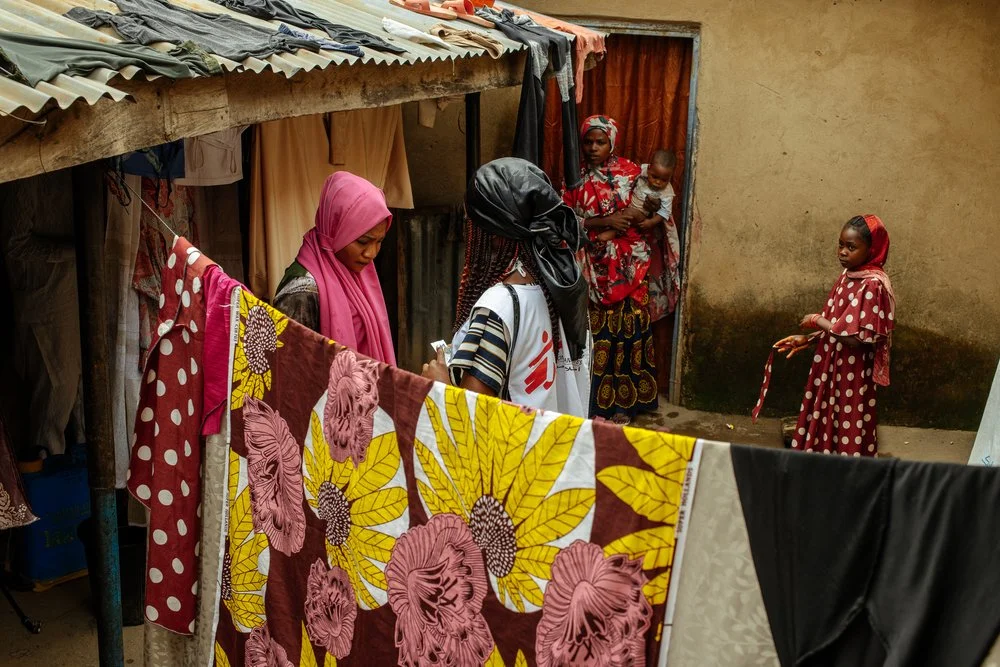
Every day, women and girls experience menstruation in some of the most difficult conditions imaginable – in protracted crises, overcrowded camps, and conflict zones. In these settings, access to acceptable menstrual products is often severely limited, with water, sanitation, and hygiene (WaSH) infrastructure often inadequate. Since 2021, the MSF Inclusive Innovation partnership have supported seven Menstrual Hygiene Management pilot interventions and research studies across a range of humanitarian and emergency contexts, collaborating with colleagues from different parts of MSF.
In 2024 – 2025, MSF Inclusive Innovation conducted a study in Walikale, North Kivu, Democratic Republic of Congo to explore how menstrual underwear as a new solution would be usable, acceptable and make a real difference in women and girls’ lives and sense of dignity. In 2026, the MSF Inclusive Innovation draw on a study in Walikale and other MHM projects to develop the Menstrual Health Management Toolkit.
Learn more about Inclusive Innovation
Improving care for malnourished children under six months of age
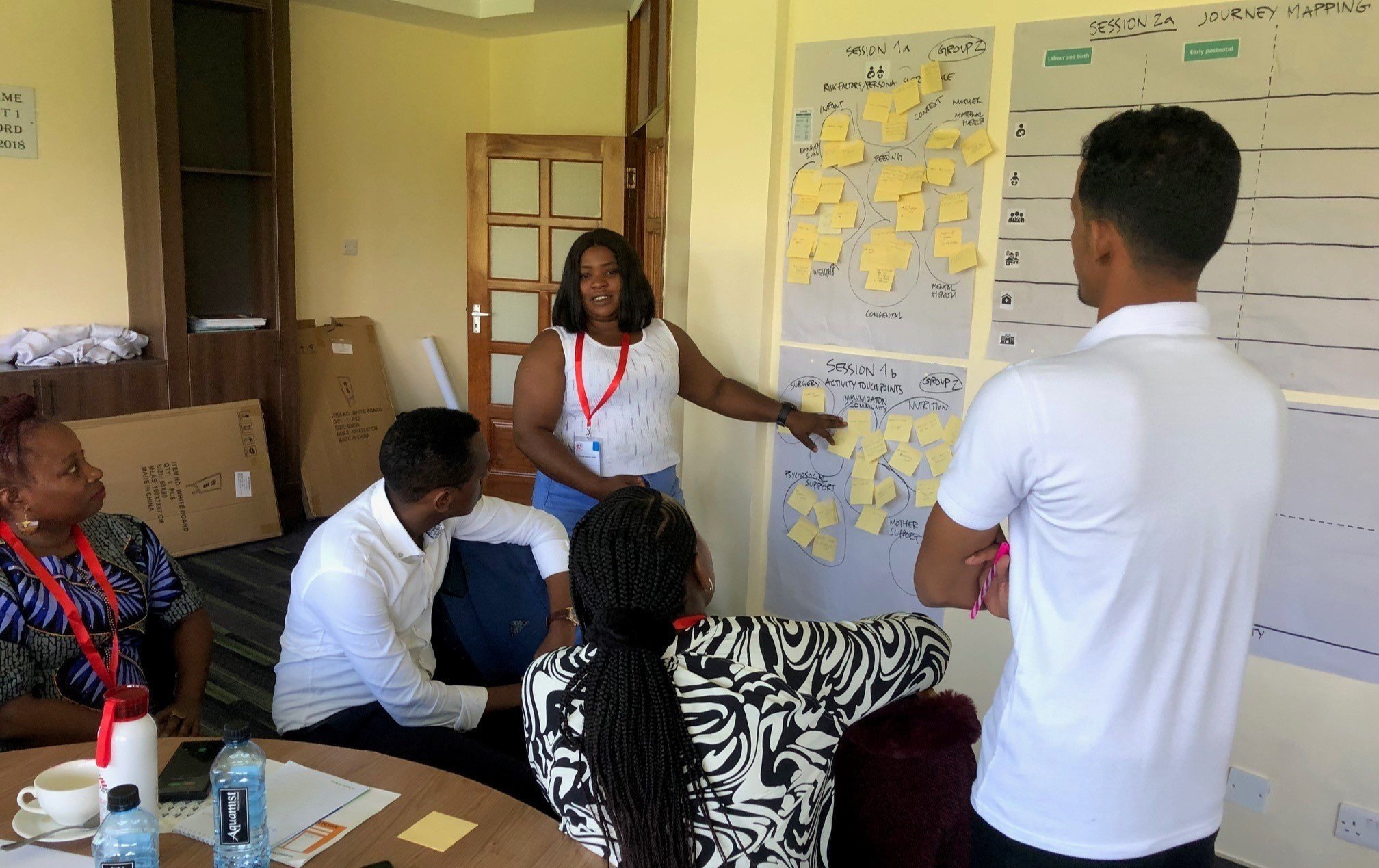
During the 2024 MSF Paediatric Days in Nairobi, Kenya, we organised a workshop on ways to improve screening for malnutrition in young infants under six months of age together with the MSF Manson Unit Innovation team and others.
Five ways playtime is changing lives for children in crisis zones
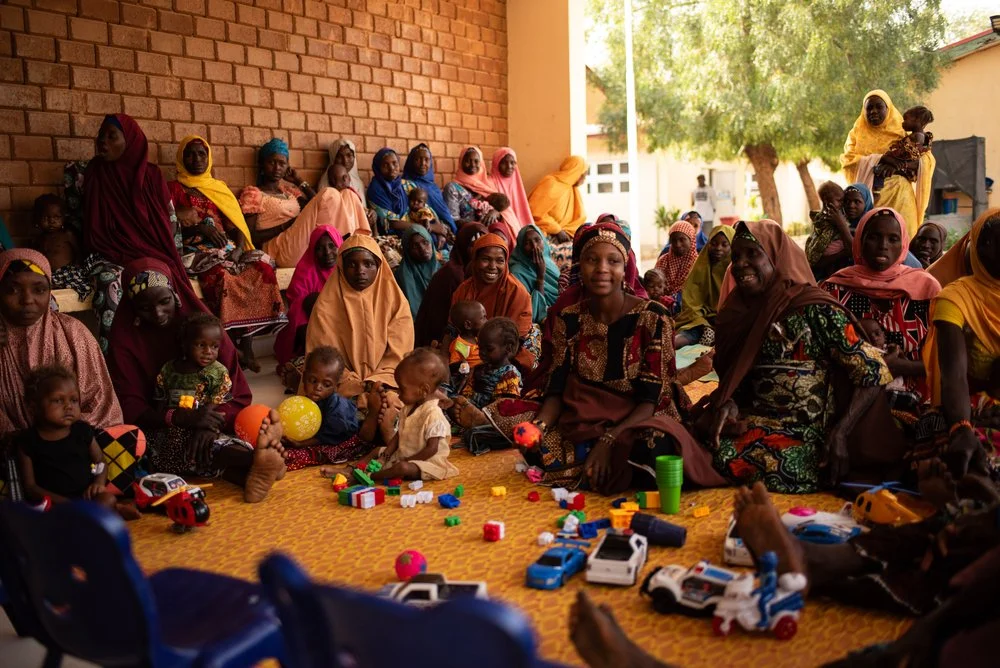
Zero Separation helps us create the best possible conditions for mothers and babies to receive care together, starting from birth. MSF sees this as a person-centered approach to care which will eventually reduce newborn death and promote breastfeeding.